
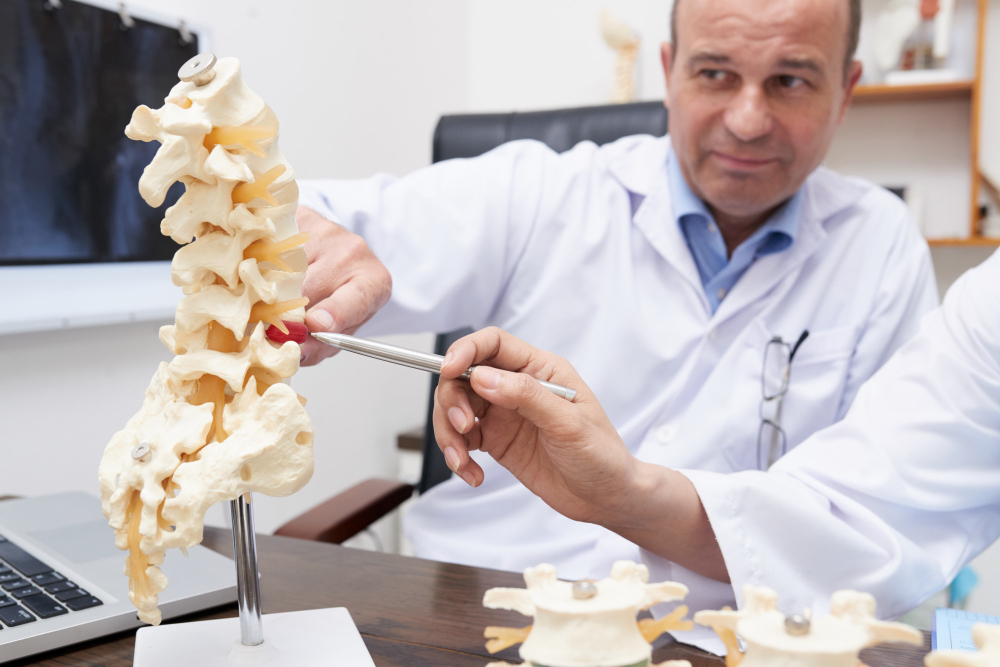
Introduction
Spondylolisthesis is a condition where one bone in your spine slips forward over the bone below it. This can cause back pain and other symptoms. Many people do not know they have spondylolisthesis until they feel discomfort. However, early detection helps prevent further problems. Spondylolisthesis can affect people of all ages, but it is more common in older adults and athletes. Understanding spondylolisthesis symptoms and treatment options is important for your spine health.
Symptoms of Spondylolisthesis
Not everyone with spondylolisthesis has symptoms. Still, many people notice signs that affect their daily life. For example, you may feel pain in your lower back. Sometimes, the pain spreads to your legs. Other symptoms can include:
Because these symptoms can be mild or severe, it is important to pay attention to any changes in your body.
Causes and Risk Factors
There are several reasons why spondylolisthesis may develop. For instance, some people are born with a weak spot in their spine. Others may get it from an injury or overuse. Common causes include:
Additionally, certain risk factors make spondylolisthesis more likely. These include:
Knowing these causes and risks can help you take steps to protect your spine.
How Is Spondylolisthesis Diagnosed?
If you have back pain or other symptoms, your doctor will ask about your health history. Next, they will do a physical exam. During the exam, your doctor may check your range of motion and look for signs of nerve problems. To confirm the diagnosis, doctors often use imaging tests. These tests include:
Because early diagnosis helps prevent more serious issues, it is important to see a doctor if you notice symptoms. Reliable sources, such as the CDC and peer-reviewed journals, support these diagnostic steps.
Treatment for Spondylolisthesis
Treatment for spondylolisthesis depends on how severe your symptoms are. In many cases, non-surgical options work well. However, some people may need surgery. Your doctor will help you choose the best plan. Common treatments include:
Non-Surgical Treatments
These options often help many people feel better without surgery.
Surgical Treatments
If non-surgical treatments do not help, or if the slip is severe, surgery may be needed. The main goal is to relieve pressure on nerves and stabilize the spine. Common surgeries include:
Although surgery can help, it also has risks. Therefore, doctors only suggest it when other treatments do not work.
Lifestyle Guidance and Prevention Tips
Even though you cannot always prevent spondylolisthesis, you can lower your risk. For example, you can:
Additionally, following your doctor’s advice and attending regular check-ups can help you manage your spine health.
When to See a Doctor
If you have back pain that does not improve, or if you feel numbness, tingling, or weakness in your legs, see a doctor soon. Also, if you have trouble walking or lose control of your bladder or bowels, seek help right away. Early care from a neurology or spine specialist can prevent serious problems.
Conclusion
Spondylolisthesis can cause discomfort, but many people find relief with the right care. Because early diagnosis and treatment are important, do not ignore symptoms. Consult a neurology or spine specialist at R Gagan Multispecialty Hospital, Bathinda for personalized advice. Your spine health matters, so take steps today to protect it.