
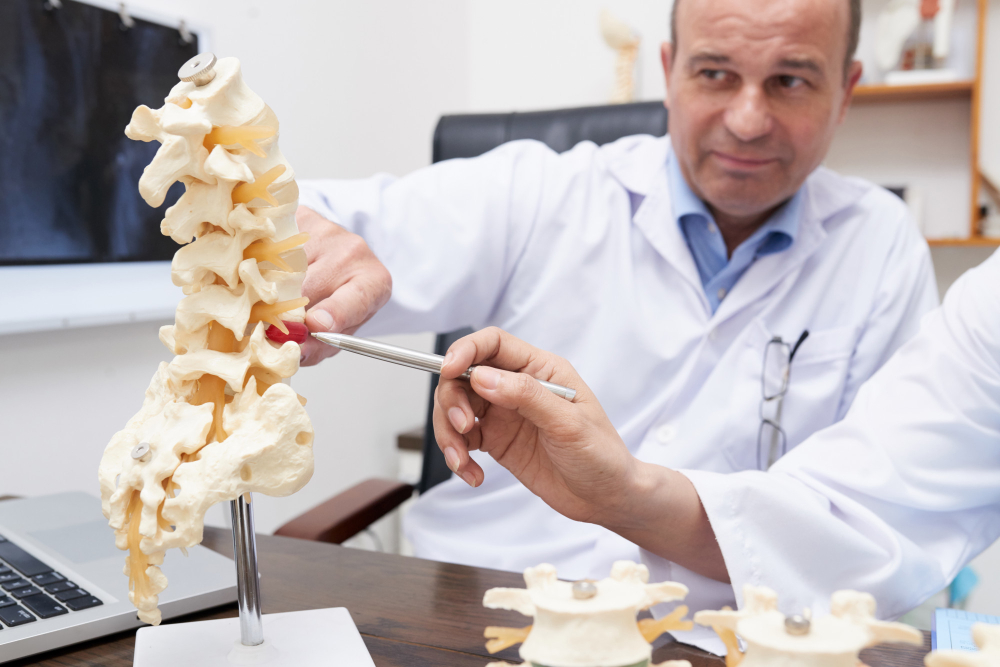
What Is a Herniated Disc?
A herniated disc happens when the soft center of a spinal disc pushes out through a crack in the tougher outer layer. This can press on nerves and cause pain. Discs are like cushions between the bones in your spine. When one slips or breaks, it is called a herniated or slipped disc. This problem can happen in any part of the spine, but it is most common in the lower back.
Why Accurate Diagnosis Matters
Getting the right herniated disc diagnosis is very important. Without it, you may not get the best treatment. Sometimes, other problems can look like a herniated disc. For example, muscle strain or arthritis can cause similar pain. Therefore, doctors need to be sure before starting treatment. An accurate diagnosis helps you avoid unnecessary treatments and recover faster.
Common Symptoms Leading to Diagnosis
Many people visit the doctor because of pain or numbness. These symptoms often lead to a herniated disc diagnosis. Common signs include:
However, not everyone has all these symptoms. Sometimes, people have no pain at all. Even so, if you notice any of these signs, it is wise to see a doctor.
Medical History and Physical Examination
First, your doctor will ask about your symptoms and health history. They may want to know when the pain started and what makes it better or worse. Next, a physical exam checks your strength, reflexes, and feeling in your arms or legs. During this exam, your doctor may ask you to walk, bend, or lift your legs. This helps find out if nerves are affected. Often, these simple steps give important clues about a herniated disc.
Imaging Tests
Sometimes, doctors need pictures of your spine to confirm a herniated disc diagnosis. Common imaging tests include:
Because these tests are painless, you can relax during the process. However, you may need to stay still for a short time.
Other Diagnostic Methods
In some cases, doctors use other tests to check nerve function. These include:
Additionally, these tests help find out if a nerve is pinched or damaged. They are often used when symptoms are unclear or if surgery is being considered.
What to Expect During the Diagnostic Process
First, your doctor will listen to your concerns and ask questions. Then, you may have a physical exam. If needed, imaging or nerve tests will follow. Most tests are quick and do not cause pain. Sometimes, you may need to wait for results. However, your doctor will explain each step and answer your questions. In many cases, you will get a clear diagnosis within a few days.
Frequently Asked Questions About Diagnosis
Conclusion
Getting a herniated disc diagnosis is the first step to feeling better. Early and accurate diagnosis helps you get the right care. If you suspect a herniated disc, consult Dr. Kunal Singla, a neurologist or spine specialist, for personalized diagnosis and care.